THE BEYOND-TUITION PARENT · 2-HOUR WORKSHOP
FOR PARENTS OF P1-P4 CHILDREN
Your child is attending math tuition. But you are still not seeing the improvement you expected.
Before you switch to another tuition programme or buy another assessment book, find out the one crucial thing most parents have never been taught to check:
Can your child see the math?
A child may remember methods and still freeze when the question changes. More teaching may help them complete the next question. But it may not help them become less dependent on being taught.
For parents of P1-P4 children · From S$68 · No math expertise needed
THIS IS NOT AN ANTI-TUITION MESSAGE.
It is an anti-dependence message.
A Beyond-Tuition Parent does not reject good teachers, useful practice or tuition.
They simply refuse to believe that more teaching is always the answer.
They want their child to move from
"How do I do this?"
• "Let me see if I can figure this out."





Media appearances are shown for identification and do not imply endorsements.
A new parent decision
Don’t automatically teach more.
See what is missing first.
Because a child who can follow yesterday’s method may still have no idea what to notice in tomorrow’s unfamiliar question.
Tuition is happening.
Independent thinking isn’t.
Your child may be capable. They may understand quickly once someone explains. Yet you keep seeing the same pattern.
01
They cannot begin until someone gives the first step.
02
They know several methods but still ask which one to use.
03
They succeed on familiar questions and freeze when the wording changes.
04
They calculate immediately without first understanding what is happening.
05
They make surprising mistakes even though they “know the topic.”
06
They become increasingly dependent on teacher, tuition, parent or worked example.
The uncomfortable truth
If your child knows the method but still cannot begin,
another method is not the answer.
They need to learn what to look for.
What “seeing math” actually means
Before a child chooses a method, they must first see what is happening.
When a child only recognises the method
“This does not look like the example.”
- Waits for a familiar format
- Asks which method to use
- Needs someone to restart their thinking
When a child begins to see the math
“Something here is connected.”
- Notices quantities and relationships
- Tries an idea before asking for help
- Adjusts when the first approach fails
Seeing math is not a trick. It is the ability to notice useful structure, relationships and constraints before calculating or reaching for a memorised method.
When your child gets stuck, what you do next can build independence or deepen dependence.
Experience the moment a learner gets stuck. Discover how your next response can either help your child continue thinking or teach them to wait for help.
01
Take the learner’s seat
Attempt an unfamiliar challenge before anyone tells you which method to use.
02
Notice where you get stuck
Identify the moment when you no longer know what to try next.
03
Experience what helps you move forward
See how the right prompt can restart your thinking without revealing the method.
04
Apply it to your child
Discover how your response can build your child’s independence instead of deepening their dependence.
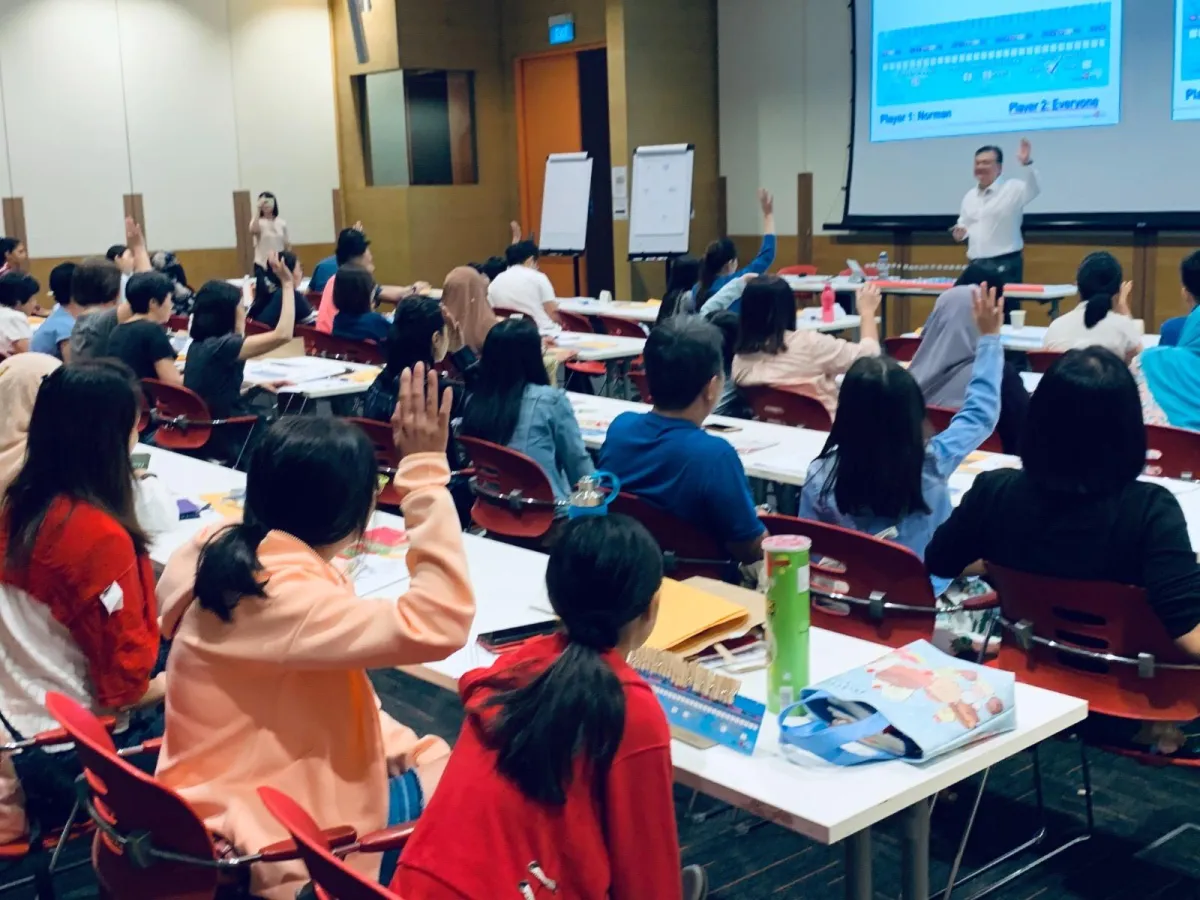
Parents experience the thinking process for themselves, not simply listen to another talk.
This is not another programme designed to turn you into your child’s second math tutor.
No syllabus to teach · No exam hacks to memorise · No worksheets to take home
Learn how to help without taking over.
Five realisations
You may never look at your child’s math struggles the same way again.
01
Your child can understand when taught and still not know what to do alone.
Following an explanation is not the same as knowing how to start when nobody is guiding them.
02
More practice can make your child faster but still dependent.
Practising only familiar question types builds speed at following methods, not the ability to handle unfamiliar problems.
03
A correct answer can hide weak thinking. A wrong answer can reveal promising thinking.
You will learn to look beyond marks and notice the process that produced the answer.
04
Helping too quickly can train a child to wait.
Finishing the question today can quietly take away the opportunity to figure something out tomorrow.
05
One stuck moment does not define your child’s ability.
Getting stuck once does not prove that your child is weak, careless or incapable. It shows you one moment that needs to be understood, not a label that should follow them.
WHAT YOU WILL BE ABLE TO DO
Know what to do.
Without telling them what to do.
After this workshop, “I don’t know” will no longer automatically mean “Teach me.” You will be able to recognise whether your child needs teaching, a better question or simply the space to think.
01
Separate “doesn’t know” from “doesn’t see”
Stop treating every stuck moment as proof that your child needs another explanation.
02
See where thinking broke down
Look beyond the final answer and recognise the moment your child lost the way forward.
03
Restart thinking without rescuing
Use a better question instead of supplying the next action or method.
04
Decide what your child really needs next
Know when to teach, when to practise, when to ask and when to step back.
Stop guessing what your child needs. Learn to see it.
Why parents of P1–P4 children should start now
These are not just the years children learn math.
These are the years they learn how to respond when they do not immediately know what to do.
Dependence habit
“Show me what to do.”
The child learns that being stuck means waiting for instruction.
Thinking habit
“Let me see what I can try.”
The child learns that being stuck is the beginning of thinking.
As math becomes harder, the child who only collects methods needs more and more help. The child who learns to see, transfer, recognise and adapt has a stronger chance of learning independently.
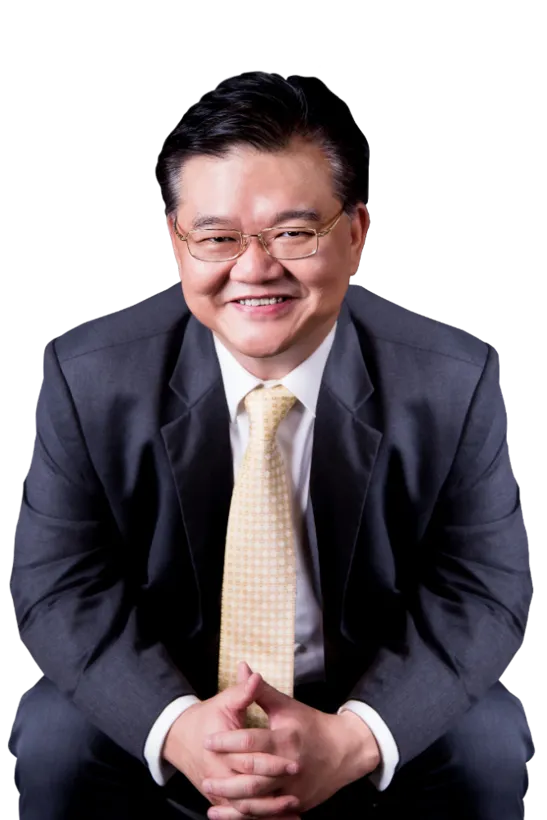
Math Talent Architect · Founder, Neuromath Academy
WHY DR NORMAN TIEN?
This workshop was not built from theory alone.
For more than 20 years, Dr Norman Tien has worked with over 10,000 children, parents and educators to develop mathematical thinking.
Dr Norman helps children see the math for themselves, so they can think, adapt and learn without always waiting to be shown what to do.
Across high-performing children, struggling learners and children who appear inconsistent, the same pattern repeatedly appears:
Many children can follow mathematics after being shown. Far fewer have been deliberately helped to make sense of mathematics for themselves.
Dr Norman’s work focuses on the capacities that come before and beyond methods: looking, noticing, connecting, trying, transferring and adjusting.
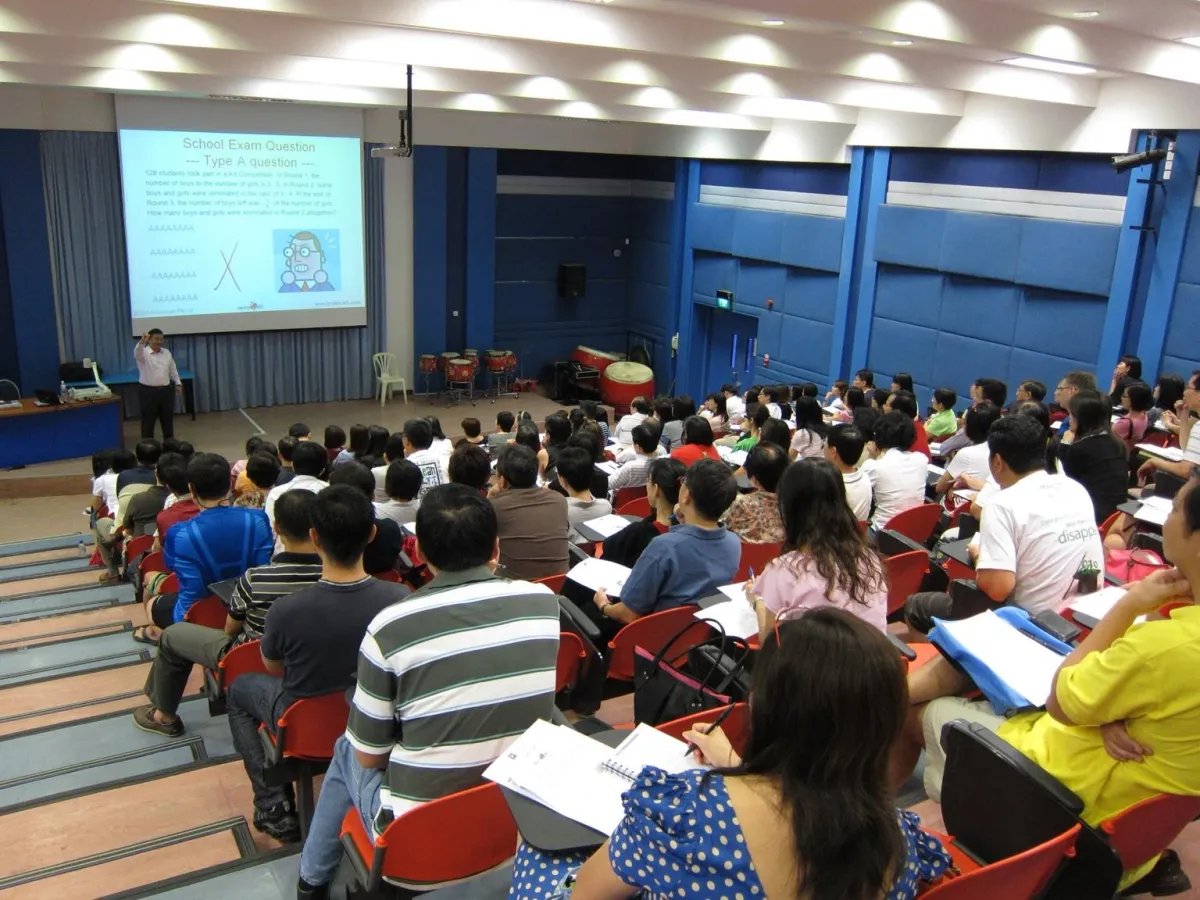
Dr Norman Tien facilitating a parent workshop.
20+ years
10,000+ students
Parents & educators developed
The Beyond-Tuition Parent believes
Tuition should be a choice.
Not something your child cannot learn without.
Good teaching matters. But the long-term goal is not a child who always has someone available to show the next step. It is a child who increasingly looks at an unfamiliar problem and thinks, “Let me try.”
JOIN THE 2-HOUR PARENT WORKSHOP
The Beyond-Tuition Parent
Before you make another tuition decision, first discover how your child sees math.
Designed forParents of P1–P4 children
FormatLive · For parents only
Duration2 hours
LocationSingapore
One parentS$68
COME TOGETHERTwo parentsS$100Save S$36
Workshop date, time and venue will be announced shortly.
No math expertise or preparation needed.
QUESTIONS DISCERNING PARENTS ASK
Before you
reserve
Is this an anti-tuition workshop?
No. Tuition, good teachers and appropriate practice can be useful. The workshop challenges dependence, not tuition. It helps you see whether more instruction will address what is actually stopping your child.
Is this secretly a tuition class?
No. This is a learning experience for parents only. There is no syllabus lesson, exam preparation, child assessment or worksheet programme.
Does my child attend?
No. You take the learner’s seat during the activities, allowing you to experience what it feels like to face a question without being immediately shown how to proceed.
Must my child be struggling in math?
No. Children who score well can still depend heavily on familiar formats or outside help. This workshop is about the quality and independence of their thinking, not simply their marks.
Do I need to be good at math?
Not at all. The activities use accessible Primary school mathematics. You are not being tested; you are experiencing how different people notice and think.
Will this diagnose my child?
No. A child’s response to one question is an observation, not an ability label. The workshop helps you observe more carefully before making conclusions such as “weak,” “careless” or “not trying.”
What happens after the workshop?
You can leave with the insights from the session without enrolling in anything further. If you want continued support, Dr Norman may explain optional next steps at the end.
ONE DECISION BEFORE THE NEXT DECISION
Before another tuition programme.
Before another assessment book.
See your child’s thinking first.
Developing children who can see, think and learn beyond tuition.